Tile Explorer – Triple Match and Block Blast! both sit in the puzzle-games and brain-training categories, but they offer different kinds of decisions. One centers on matching tiles in a triple-match format, while the other uses colorful blocks on an 8×8 board and emphasizes score-chasing strategy. Both are free, both carry a 4.9/5 store rating, and both can be played casually. The real choice comes down to whether you prefer clearing matching objects or planning block placements under pressure from your own high score.
- Choose Tile Explorer – Triple Match if you want a tile-matching puzzle with a relaxation-oriented presentation and access through Google Play.
- Choose Block Blast! if you want an 8×8 block puzzle, daily puzzle variety, an endless high-score format, and access through both the App Store and Google Play.
- Both games are free and list a 4.9/5 rating, but their vote counts are different, so the ratings should not be treated as directly equivalent evidence of player satisfaction.
- Neither listing provides an official skills breakdown. The cognitive discussion below describes the kinds of thinking these formats may engage, not proven health or intelligence benefits.
Tile Explorer vs Block Blast at a glance
At a basic level, this is a comparison between two familiar puzzle structures. Tile Explorer – Triple Match presents itself as a match-3-style game with additional puzzle mechanics, while Block Blast! describes an 8×8 block board, block crushing, daily challenges, and an endless high-score system.
The biggest practical difference is the shape of the task. Tile Explorer asks you to notice and organize matching tiles. Block Blast! asks you to place or clear blocks in a way that keeps the board useful for future moves. That gives the games different rhythms even though both can be filed under the same broad categories.
| Comparison point | Tile Explorer – Triple Match | Block Blast! |
|---|---|---|
| Type | Puzzle Games, Brain Training | Puzzle Games, Brain Training |
| Skills listed by Mentometry | n/a | n/a |
| Platforms | Google Play | App Store, Google Play |
| Price | Free | Free |
| Rating and votes | 4.9/5 from 2,280,231 votes | 4.9/5 from 8,281,701 votes |
| Developer | Oakever Games | HungryStudio |
| Year listed | 2024 | 2022 |
Both games show a 4.9/5 rating, but the vote counts are not the same: Block Blast! has more than eight million listed votes, while Tile Explorer – Triple Match has more than two million. Because ratings come from different, non-comparable vote counts, the identical score does not prove that the games have equal overall player satisfaction or equal popularity.
Tile Explorer – Triple Match: a tile-focused puzzle path
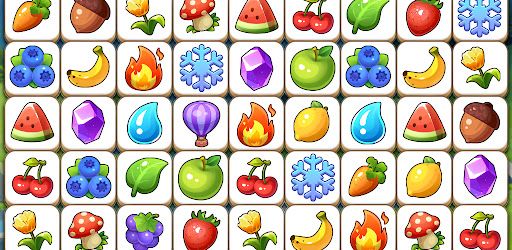
Tile Explorer – Triple Match is listed as a puzzle game and brain-training game developed by Oakever Games. It is free and available through Google Play. The store description presents it as a relaxing tile match puzzle with a match-3 foundation and “innovative puzzle mechanics,” although that wording is marketing text and is not independently verified.
The clearest identity of Tile Explorer is its matching structure. The description frames each level as a puzzle-solving exercise in which the player works through tile challenges and may need to think differently as the puzzles develop. That suggests a game loop built around visual scanning, recognizing relationships among tiles, and deciding which match to pursue next.
What stands out
- Free to play.
- Available on Google Play.
- Uses a familiar tile-matching format with additional puzzle mechanics described in the listing.
- Has a listed 4.9/5 rating from 2,280,231 votes.
- The store description emphasizes a relaxing presentation.
- No specific skills are listed in the supplied Mentometry data.
- The platform information supplied covers Google Play only.
- The description does not provide detailed rules for the additional mechanics.
- Its rating is based on a different vote count from Block Blast!, so direct rating comparisons are limited.
Tile Explorer may suit players who like a slower visual search task, especially when the pleasure comes from spotting a useful combination rather than chasing a board-wide score. The “relaxing” angle is part of the store description, not a verified psychological effect, so it is best understood as the game’s intended tone rather than a measured outcome.
When playing a triple-match puzzle, pause before taking the first available match. Look for the move that keeps the most future options open. Treat each choice like spending a limited resource: a quick clear may help now, but a flexible board can be more valuable later.
Block Blast!: planning on an 8×8 board
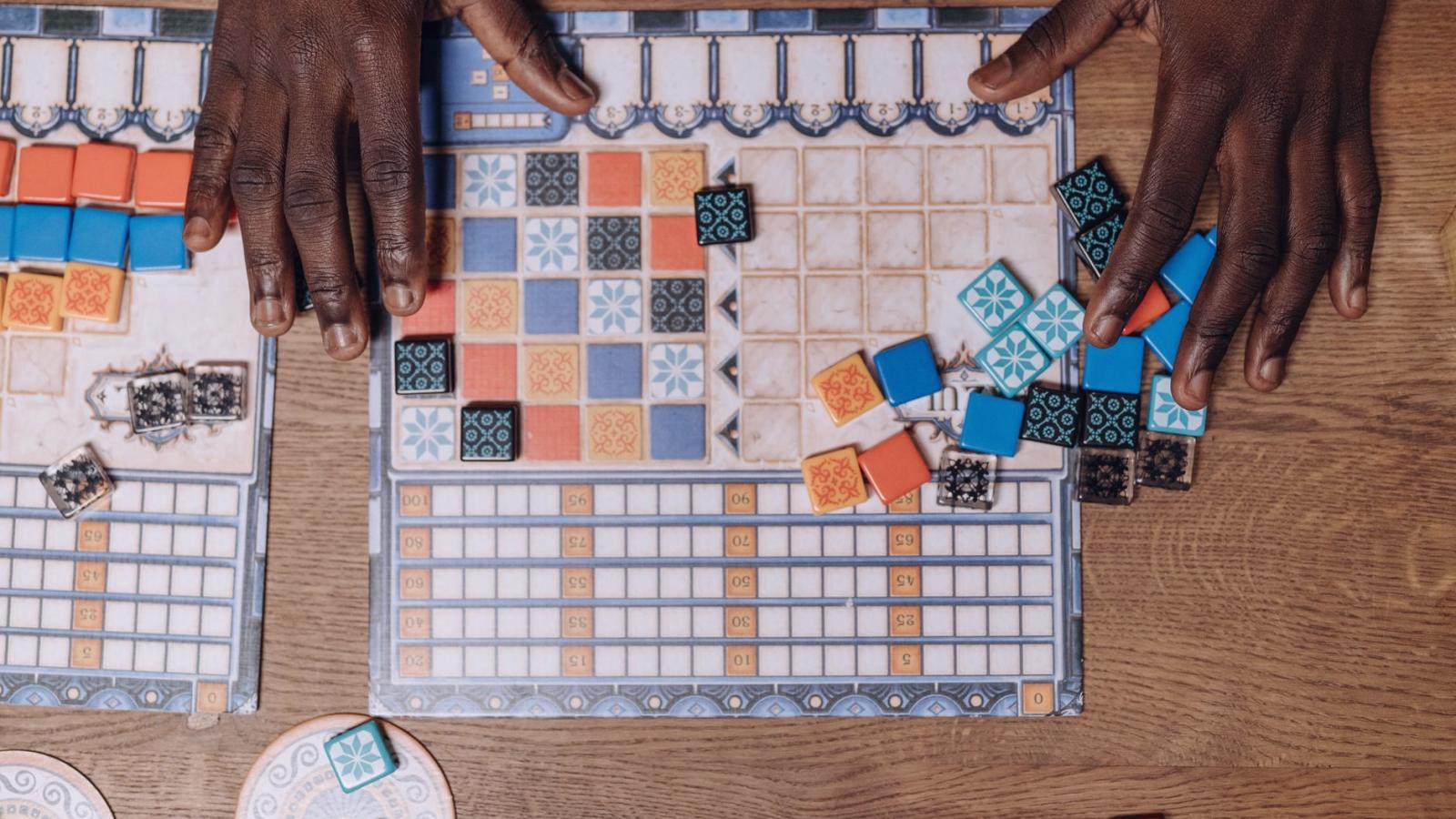
Block Blast! is listed as a puzzle game and brain-training game developed by HungryStudio. It is free and available through both the App Store and Google Play. The supplied listing describes colorful blocks, an 8×8 board, daily puzzle challenges, and an endless high-score system.
That description gives Block Blast! a more explicit planning identity. Instead of focusing mainly on matching identical tile groups, the player works with block shapes and board space. A strong move is not only about clearing something immediately; it is also about preserving room for the next piece and building a higher score over time.
 Puzzle Games · Brain TrainingBlock Blast!HungryStudio★ 4.9 (8.3M votes)View ratings & details ▶
What stands out
- Free to play.
- Available on the App Store and Google Play.
- Uses an 8×8 block board according to the store description.
- Includes daily puzzle variety according to the listing.
- Offers an endless high-score format.
- Has a listed 4.9/5 rating from 8,281,701 votes.
- No specific skills are listed in the supplied Mentometry data.
- The listing does not provide a detailed explanation of every rule or mode.
- The high-score structure may appeal less to players who prefer a purely relaxed pace.
- Its rating cannot be directly compared with Tile Explorer’s because the vote totals differ.
Block Blast! is likely the better fit for players who enjoy repeated runs, incremental improvement, and the mental tension of keeping a board alive. Its endless high-score system gives the experience a clear replay loop: make a good placement, avoid blocking yourself, and try to beat the previous result.
Play one short session of Block Blast! with a single goal: avoid creating a crowded corner for as long as possible. Focus on board flexibility rather than your final score, then compare how that changes your decisions.
Play Grid Memory free on Mentometry — no download, and your score joins the global leaderboard.
How the gameplay styles differ
Matching versus spatial placement
Tile Explorer – Triple Match is organized around matching tiles. The central challenge is likely to identify useful combinations and manage the consequences of selecting them. The supplied description also says that the game combines traditional tile matching with additional puzzle mechanics, but it does not specify exactly how those mechanics work.
Block Blast! is organized around blocks and an 8×8 board. Its strategic question is more spatial: where can a piece go now without creating a problem for the next move? That kind of design naturally makes empty space, shape, orientation, and sequence important parts of the player’s thinking.
Relaxed puzzle solving versus score pursuit
Tile Explorer’s description repeatedly presents the experience as relaxing and joyful. Block Blast!’s description places more emphasis on daily challenges, an endless high-score hunt, and rewarding strong strategies. These descriptions do not prove how every player experiences the games, but they do show different intended flavors.

If you want a puzzle that feels like a quiet search for combinations, Tile Explorer may be the more natural first choice. If you want a repeatable contest against your own previous performance, Block Blast! has the clearer score-driven structure.
Cognitive research commonly distinguishes between near transfer, which means improvement on tasks similar to the practiced task, and far transfer, which means improvement on broader abilities that were not directly trained. Reviews of working-memory training generally find more consistent gains on trained or similar tasks than on broad measures such as intelligence or everyday cognitive performance. (pubmed.ncbi.nlm.nih.gov)
What each game may train according to cognitive research
Neither listing provides an official skills breakdown, so it would be inaccurate to assign a verified training profile to either game. Still, general cognitive research can help explain the kinds of mental operations that puzzle formats often require. The safest wording is that these games may engage certain processes during play; that is not the same as proving that they improve those abilities outside the game.
Tile Explorer – Triple Match
A triple-match format may engage visual search and pattern recognition. The player must notice relevant features, compare tiles, and select combinations that fit the current puzzle state. If the board includes limited spaces or consequences for poor choices, it may also involve planning and decision-making.
Tile matching can also place demands on selective attention. The player has to filter a busy visual field, identify the items that matter, and ignore distractions. When a player tries to remember where useful tiles are located, the task may additionally involve short-term visual memory, although the supplied game data does not specify whether such memory is required.
Block Blast!
An 8×8 block board may engage spatial reasoning and mental planning. Players need to assess shapes, fit pieces into available spaces, and anticipate how a placement could change later options. Those are task-specific demands connected to the board, rather than evidence of a general increase in intelligence.
The endless high-score format may also encourage strategy adjustment. Players can compare outcomes, notice which placements create problems, and refine their approach over repeated attempts. That is a useful description of practice within the game, but research cautions that improvement on a practiced task does not automatically transfer to unrelated abilities. (pubmed.ncbi.nlm.nih.gov)
Daily puzzle variety, as described in the listing, may expose players to changing board situations. Variation can make a task less repetitive, but the supplied data does not establish how much variety exists or whether it produces measurable cognitive benefits.
Which game should you choose?
Choose Tile Explorer – Triple Match if:
- You prefer matching tiles over arranging block shapes.
- You like the idea of a puzzle presented as relaxing and visually focused.
- You want a game available through Google Play.
- You enjoy solving level-based tile challenges rather than focusing mainly on a high-score loop.
- You want to explore a match-3-style format with additional puzzle mechanics described in the listing.
Choose Block Blast! if:
- You prefer spatial placement on an 8×8 board.
- You enjoy trying to keep a board open for future moves.
- You like daily puzzle challenges and repeated score attempts.
- You want access through both the App Store and Google Play.
- You enjoy chasing personal bests and refining a strategy over multiple runs.
There is no universal winner because the games reward different preferences. Tile Explorer is the cleaner recommendation for a player who wants tile matching and a relaxation-oriented presentation. Block Blast! is the stronger recommendation for someone who wants board management, recurring challenges, and a high-score chase.

Choose based on the decision you want to repeat. If you want to repeatedly ask “Which tiles belong together?”, start with Tile Explorer – Triple Match. If you want to repeatedly ask “Where can this shape go without hurting my next move?”, start with Block Blast!
ALSO READ Block Blast! Review: Is It a Good Brain Workout?
How to use either game as a mindful practice
A short, deliberate session can make the experience more informative than simply playing until attention fades. Before starting, choose one observation target: visual scanning, planning ahead, resisting impulsive moves, or adapting after a mistake. This turns a casual round into a small experiment in your own decision-making.
- Play for a defined period rather than stopping only when you feel frustrated.
- Notice whether you act immediately or pause to compare options.
- After a mistake, identify what changed: attention, memory, planning, or a rushed choice.
- Try one adjustment in the next round.
- Judge the game by enjoyment and challenge, not by claims that it will transform general intelligence.
If you want a more direct memory exercise, Mentometry’s Grid Memory asks you to memorize highlighted cells and reproduce the same pattern. It is a different task from both tile matching and block placement, so it should be treated as a separate memory-focused activity rather than a measure of either game’s performance.
Another option is Symbol Pairs, which asks you to flip cards and find matching symbols using memory. Like Grid Memory, it targets a more clearly defined memory challenge than the two commercial puzzle games compared here.
Final verdict
Tile Explorer – Triple Match and Block Blast! are both credible choices for free casual puzzle play, but they occupy different lanes. Tile Explorer emphasizes triple matching, visual search, and a relaxation-oriented presentation. Block Blast! emphasizes an 8×8 board, spatial planning, daily puzzle variety, and an endless high-score system.
Our verdict: choose Tile Explorer – Triple Match for a more tile-centered matching experience, and choose Block Blast! for a more spatial, replayable score chase. The ratings are identical at 4.9/5, but they come from different, non-comparable vote counts, so that statistic should not decide the match on its own.
Frequently Asked Questions
Which game is better, Tile Explorer – Triple Match or Block Blast!?
It depends on your preferred puzzle style. Choose Tile Explorer – Triple Match for tile matching and a relaxation-oriented presentation; choose Block Blast! for 8×8 board planning, daily challenges, and high-score replay.
Are Tile Explorer – Triple Match and Block Blast! free?
Yes. Both games are listed as free in the supplied data.
Which platforms support Tile Explorer – Triple Match?
Tile Explorer – Triple Match is listed for Google Play.
Which platforms support Block Blast!?
Block Blast! is listed for both the App Store and Google Play.
Do both games have the same rating?
Both are listed at 4.9/5. However, the ratings come from different, non-comparable vote counts: 2,280,231 for Tile Explorer – Triple Match and 8,281,701 for Block Blast!.
Do these games improve intelligence or prevent cognitive decline?
The supplied game data does not support those claims. General research usually finds stronger evidence for improvement on practiced or closely related tasks than for broad changes in intelligence or everyday cognition.
Sources
- Can We Enhance Working Memory? Bias and Effectiveness in Cognitive Training Studies / Psychological Science
- Working Memory Training Does Not Improve Performance on Measures of Intelligence or Other Measures of “Far Transfer” / Journal of Applied Research in Memory and Cognition
- Reviewing Working Memory Training Gains in Healthy Older Adults: A Meta-Analytic Review of Transfer for Cognitive Outcomes / Neuroscience and Biobehavioral Reviews
- Examining Working Memory Training for Healthy Adults—A Second-Order Meta-Analysis / Frontiers in Psychology
- The Asymmetry of Working Memory Training Transfer: A Systematic Review and Meta-Analysis / Psychonomic Bulletin & Review
- Risk Reduction Guidelines for Cognitive Decline and Dementia: Cognitive Interventions / World Health Organization
Educational content, not medical or financial advice.