Good logic games make every level feel like a small investigation. You spot a pattern, test a possibility, revise your plan and eventually land on the solution. The best picks do not all look alike: this list includes mazes, number grids, block-pushing puzzles, escape-room adventures and cross-number challenges.
- This ranking follows the directory’s rating order: a Bayesian blend of store ratings and Mentometry player votes.
- Strange Jigsaws leads the list, while 20 Small Mazes is the highest-rated free pick by its listed score and vote count.
- Choose by puzzle style as much as rating: Sudoku suits structured deduction, Sokoban rewards planning, and mazes test spatial reasoning.
- Prices and platforms vary widely, so the quick-pick table at the end is the fastest way to narrow your options.
How we ranked these logic games
The order is the directory’s current rating order, not a claim that one game is universally better than another. It uses a Bayesian blend of store ratings and Mentometry player votes, which gives the listed ratings context instead of treating every score as equally reliable.
The directory data also includes each game’s vote count, price, platform and skill tags. Those details matter here. A game with thousands of votes offers a different confidence signal from one with a few hundred, while a free title may be a better practical recommendation for some players than a highly rated paid game.
Logic, spatial reasoning, planning and numeracy are useful ways to describe what a puzzle asks you to do. Playing a game is not the same as proving broad improvements in intelligence or everyday performance, so these recommendations focus on challenge, fit and design rather than promises about cognitive enhancement.
Top-ranked picks: compact puzzles and mazes
1. Strange Jigsaws
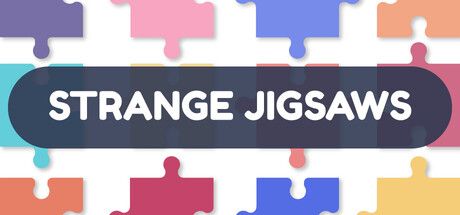
Best for: players who want a short, unusual logic-puzzle experience on Steam. Strange Jigsaws is listed as an Adventure & Point-and-Click and Logic Puzzles title, with Logic & Reasoning as its skill tag. Its store description is deliberately brief: “A game of strange jigsaws.” That makes the central appeal clear while leaving the exact flavor of the puzzles open to discovery.
At $3.99, it is one of the more accessible paid entries in this guide. The limitation is equally simple: it is Steam-only, and the available description does not explain the number, structure or variety of its jigsaws. Its 5.0/5 score comes from 4,832 votes, a substantial rating base, but the score alone cannot tell you whether its particular style will suit you.
2. 20 Small Mazes
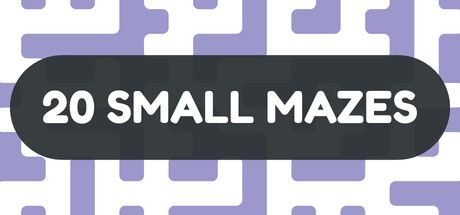
Best for: maze fans who want a free, focused challenge. The game presents twenty small mazes and carries both Logic & Reasoning and Spatial & Visual skill tags. That combination points to a clear activity: work out routes, read the layout and keep track of where you are going rather than relying only on abstract deduction.
It is free on Steam and has a 5.0/5 rating from 9,547 votes, the largest vote count among the games in this guide. The limitation is that its scope is explicitly compact: the title promises twenty small mazes, not a huge campaign. Players seeking a long-form adventure or a wide range of puzzle systems may find the format deliberately narrow.
3. Sudoku – Classic Number Puzzle
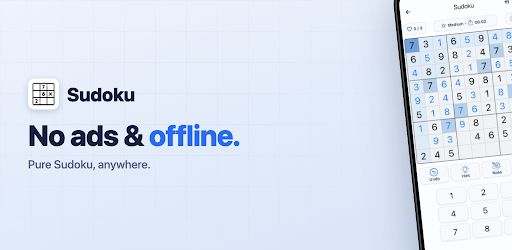
Best for: players who like familiar rules, quiet concentration and number-based deduction. Sudoku – Classic Number Puzzle is listed for Google Play under Puzzle Games and Sudoku & Number Grids, with Logic & Reasoning and Math & Numeracy as its skill tags. The supplied description emphasizes Sudoku without ads or distractions, presenting the app as a straightforward place to focus on the grid.
The app is free and has a 5.0/5 rating from 596 votes. That is a strong listed score, but its vote base is smaller than those of several other highly rated entries here, so the rating provides a more limited sample for comparison. It is also available only on Google Play, which rules it out for players looking for a Steam or App Store option.
Match the puzzle’s friction to your mood. Choose a maze when you want to reason through a layout, Sudoku when you want a stable rule set, and a less familiar puzzle when you want the game to keep surprising you.
Planning-heavy puzzles
4. Handshakes
Best for: players who enjoy Sokoban-style block pushing with a spatial and strategic twist. Handshakes asks you to guide two hands through puzzles, according to its store description, and is tagged for Logic & Reasoning, Spatial & Visual, and Planning & Strategy. The two-character setup gives the premise a playful identity while the tags signal the need to think about movement, position and future consequences.
Handshakes is free on Steam and has a 5.0/5 rating from 2,941 votes. Its honest limitation is that Sokoban-like puzzles can become demanding when a move cannot easily be undone; the supplied data does not say whether the game includes any convenience features for recovery. The description calls it “simple yet tricksy,” so expect a compact-looking challenge rather than an effortless stroll.
5. Math Puzzle Games – Crossmath®
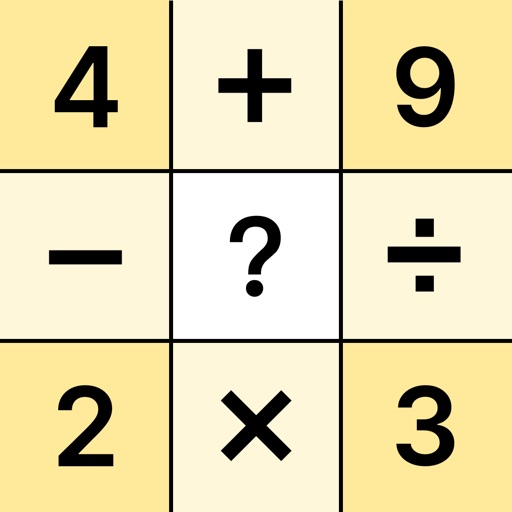
Best for: players who want arithmetic and logic in the same puzzle session. Math Puzzle Games – Crossmath® is listed under Puzzle Games and Math & Numbers, with Math & Numeracy and Logic & Reasoning as its skill tags. Its store description presents crossmath as a problem-solving activity that can be played anywhere and anytime, though that wording is marketing text rather than a verified assessment of the experience.
The game is free on the App Store and has a 4.9/5 rating from 258,073 votes, by far the largest vote count in this ranking. That is a useful signal of broad player response, but it does not make the game a universal fit. Its focus on arithmetic may appeal less to players who prefer purely visual puzzles, narrative mystery or movement-based planning.
6. Servant of the Lake
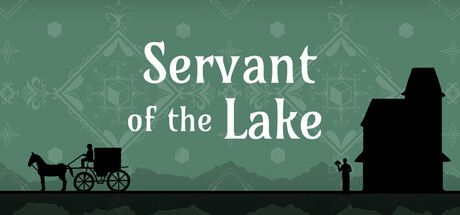
Best for: players who want logic puzzles wrapped in an adventure and escape-room setting. You begin a new job as a servant at the mysterious Vanderboom estate, where the supplied description says you will solve puzzles, serve the family and uncover dark alchemical secrets. The game is tagged for Logic & Reasoning and is listed as both an Adventure & Point-and-Click and Escape Rooms title.
Servant of the Lake costs $7.99 on Steam and has a 4.9/5 rating from 7,557 votes. It is listed with the year 2026, so it is a newer pick than several games below it in the ranking. The limitation is the higher price among the games featured here, especially compared with the free options, and the experience may be less suitable if you want standalone puzzles without story or exploration.
A high rating is a useful starting point, not a guarantee that every puzzle will fit your taste. Vote counts, platform access, price and genre all change the buying decision. Treat the ranking as a shortlist, then use the descriptions to choose your kind of challenge.
Play Quick Math free on Mentometry — no download, and your score joins the global leaderboard.
Adventure puzzles with a distinctive hook
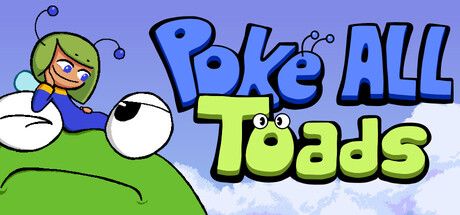
7. Poke ALL Toads
Best for: players who want a colorful adventure puzzle with teamwork and environmental manipulation. Poke ALL Toads stars mischievous fairies, and its store description says that levels involve working as a team, operating dangerous machinery and manipulating local wildlife. It carries the Logic & Reasoning skill tag and sits in the Adventure & Point-and-Click and Logic Puzzles categories.
The game costs $11.99 on Steam, making it the most expensive title in this guide. It has a perfect 5.0/5 rating, but that score comes from 465 votes, a much smaller base than most of the other ranked games. The main limitation, then, is not a reported design flaw but the combination of premium price and fewer votes: cautious buyers may prefer to wait for more player feedback or choose a lower-cost entry first.
8. Linelith
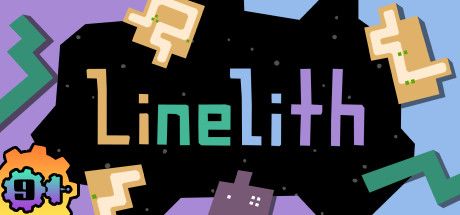
Best for: players who like serene presentation, spatial puzzles and careful planning. Linelith places puzzles in rocks and crystals as you explore a colorful alien asteroid, according to its supplied store description. Its tags cover Logic & Reasoning, Spatial & Visual, and Planning & Strategy, while its categories identify it as a Strategy and Sokoban & Block Pushing game.
At $2.39 on Steam, Linelith is the least expensive paid game in this ranking. It has a 4.9/5 rating from 1,507 votes and is listed with the year 2022. The limitation is its described length: the store text calls it a “short and sweet puzzle experience,” so players looking for a large, long-running campaign should set expectations accordingly.
 Strategy · Sokoban & Block PushingLinelithPatrick Traynor★ 4.9 (1.5K votes)View ratings & details ▶
Pick one game whose main skill is outside your usual comfort zone. Play for one session, then note whether the challenge came from logic, spatial layout, arithmetic or planning.
How to choose your next puzzle
Start with the interaction you want, not just the star rating. If you want a clean rule system, Sudoku – Classic Number Puzzle is the obvious fit. If you want route-finding, 20 Small Mazes offers a free and compact option. For more consequential movement decisions, Handshakes and Linelith both carry the Sokoban & Block Pushing category, with planning and spatial tags that describe a more positional style of play.
Price and access can narrow the list quickly. Handshakes and 20 Small Mazes are free on Steam, as are Sudoku – Classic Number Puzzle on Google Play and Math Puzzle Games – Crossmath® on the App Store. Among paid options, Linelith is the lowest-priced entry at $2.39, Strange Jigsaws costs $3.99, Servant of the Lake costs $7.99 and Poke ALL Toads costs $11.99.
Finally, decide whether you want a pure puzzle loop or a setting around it. Strange Jigsaws and 20 Small Mazes sound tightly focused from their supplied descriptions. Servant of the Lake, Poke ALL Toads and Linelith add adventure, exploration or an atmospheric world. Those differences can matter more than a small gap in rating when you are choosing your next game.
- The list covers logic, spatial, numeracy and planning-focused formats.
- Several highly rated choices are free to play.
- The ranking includes vote counts, prices and platform limits.
- There are both focused puzzles and story-led adventures.
- Platform availability is fragmented across Steam, Google Play and the App Store.
- Some entries have relatively small vote bases.
- Short experiences may not satisfy players seeking a long campaign.
- A rating cannot predict whether a specific puzzle style will suit you.
Build a varied puzzle rotation with Mentometry
Mentometry’s free games offer quick ways to sample related skills between longer puzzle sessions. Quick Math shows an equation with an answer already filled in, and you quickly judge whether it is Correct or Incorrect before time runs out. That makes it a natural companion to number-focused games such as Sudoku – Classic Number Puzzle and Math Puzzle Games – Crossmath®, while keeping the session brief and direct.
Odd One Out takes a visual route: you look at a group of shapes and tap the item that differs from all the rest. It pairs well with the Spatial & Visual tags found on 20 Small Mazes, Handshakes and Linelith, although the activity is a quick visual comparison rather than a maze or block-pushing puzzle. Use it as a change of pace when you want a fast round before returning to a longer challenge.
Alternate skill types instead of repeating one format for hours. A short numeracy round, a visual-comparison round and a planning puzzle can give your play session more variety without turning it into a test of endurance.
ALSO READ Can Playing Games Actually Reduce Stress? What the Research Says
Quick-pick table
| Game | Best for | Price | Platforms |
|---|---|---|---|
| Strange Jigsaws | Unusual compact logic puzzles | $3.99 | Steam |
| 20 Small Mazes | Free maze and spatial challenges | Free | Steam |
| Sudoku – Classic Number Puzzle | Focused number-grid deduction | Free | Google Play |
| Handshakes | Sokoban-style planning | Free | Steam |
| Math Puzzle Games – Crossmath® | Math and logic puzzles | Free | App Store |
| Servant of the Lake | Story-led escape-room puzzles | $7.99 | Steam |
| Poke ALL Toads | Teamwork and environmental puzzles | $11.99 | Steam |
| Linelith | Serene spatial planning | $2.39 | Steam |
Final verdict
Strange Jigsaws takes the top spot in this directory ranking, but the best personal choice depends on the puzzle loop you want. Start with 20 Small Mazes or Handshakes if you want a free Steam option, choose Sudoku – Classic Number Puzzle or Crossmath for number-focused play, and look to Servant of the Lake or Poke ALL Toads for a more adventurous structure.
Linelith is the low-cost pick for players who enjoy spatial planning, while Mentometry’s Quick Math and Odd One Out make useful free interludes. Whatever you choose, treat the rating as a guide and the skill tags as a map to the kind of thinking each game asks you to practise.
Frequently Asked Questions
What is the best logic and reasoning game in 2026?
Strange Jigsaws is first in this directory’s rating order. The ranking uses a Bayesian blend of store ratings and Mentometry player votes, but the best choice still depends on your preferred puzzle style, platform and budget.
Which logic games in this list are free?
20 Small Mazes and Handshakes are free on Steam. Sudoku – Classic Number Puzzle is free on Google Play, and Math Puzzle Games – Crossmath® is free on the App Store.
Which game is best for spatial reasoning?
20 Small Mazes, Handshakes and Linelith all carry the Spatial & Visual skill tag. Handshakes and Linelith also include Planning & Strategy, making them suitable for players who enjoy thinking ahead.
Which game is best for math and numeracy?
Sudoku – Classic Number Puzzle and Math Puzzle Games – Crossmath® carry the Math & Numeracy tag. Mentometry’s free Quick Math game also offers short equation-judgment rounds.
Which is the cheapest paid game in the ranking?
Linelith is the least expensive paid game at $2.39 on Steam. Strange Jigsaws costs $3.99, Servant of the Lake costs $7.99 and Poke ALL Toads costs $11.99.
Do these games improve intelligence?
The directory data describes the skills each game asks you to use, but it does not establish that any game improves general intelligence. These recommendations focus on puzzle formats, challenge and player fit rather than claims of broad cognitive improvement.
This article is educational content, not medical or financial advice.